
My Articles
-
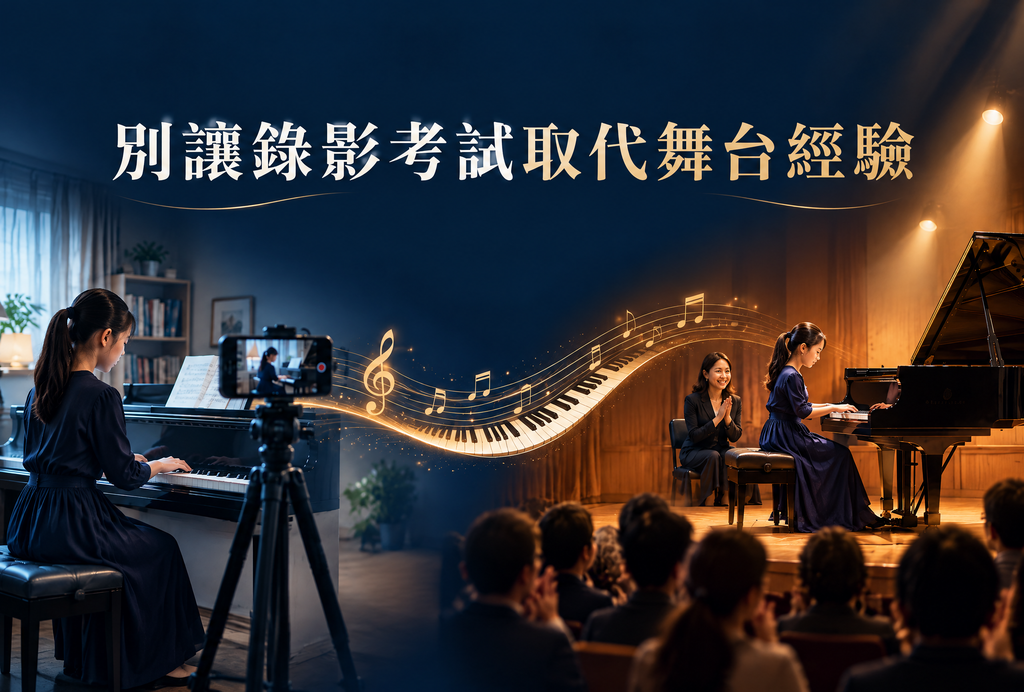
自從英國皇家音樂學院聯合委員會(ABRSM)和倫敦聖三一學院 (Trinity College London) 鋼琴考試等考試局在疫情過後維持接受錄影形式考試後,部分同學或會認為只要在較熟悉的環境完成拍攝,便能達到應試目的,因而降低了參加現場音樂會演奏的意願, 現場音樂會訓練似乎已不再重要。這種轉變未必完全由考試制度造成,學業繁重、時間安排、未能面對舞台壓力及對失誤的憂慮,也可能是相關因素。 錄影考試主要評核指定曲目的演奏成果, 錄影考試與現場音樂會訓練的目的並不相同, 現場音樂會不但是展示學習成果的機會,也是鍛鍊臨場演奏、舞台表現及演奏心理質素的重要平台。錄影考試不但不能取代現場音樂會訓練, 而且學生亦未能有全面的音樂訓練, 因為音樂是表演藝術, 若沒有實際舞台訓練音樂學習並不完滿, 現場音樂會着重實際舞台經驗、演奏穩定性、音樂表達﹑臨場發揮﹑現場感染力、音樂詮釋與觀眾交流及互動, 學生亦可透過自己在台上演奏激發他們的學習熱情,讓他們在演出中感受到成就感和自信心。 若只重視考試結果而忽略現場音樂會,學生會欠缺面對真實舞台的信心和表現能力, 因此老師、家長及考試機構應加強解說現場音樂會的教育價值,並以較多元形式吸引學生參與,例如安排分級演出﹑四手聯彈﹑與其他樂器合奏。只有讓學生明白演奏不只是為了考試,體會演奏音樂會的意義,學生才能培養持久而全面的音樂素養。
-
-

Many parents want to avoid their children lagging behind in the highly competitive society in the future. They often make children learn, cultivate their ability to work hard in all kinds of extracurricular activities, so as to enhance their childrens’ competitiveness, and even to let them have the “winning at the starting line” psychology. But […]
-
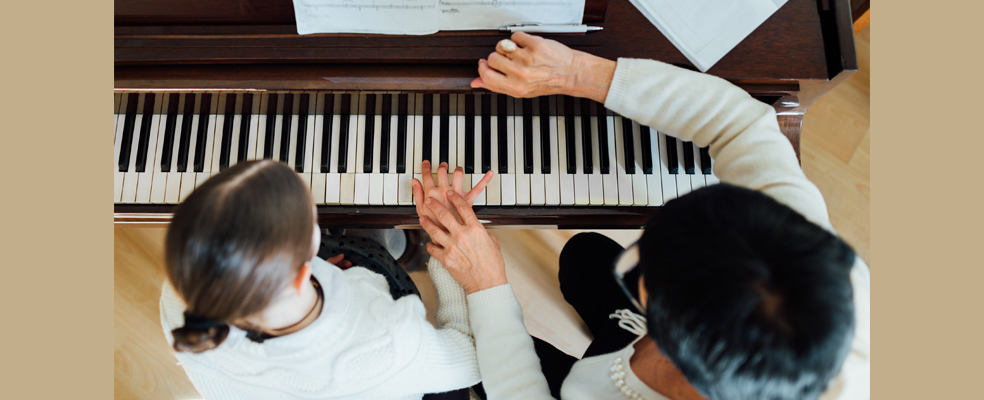
Parents choose to sign up for piano classes in order to cultivate their children’s interest in music. But do they consider the importance of the initial stage of piano learning for a solid foundation when planning piano classes for their children? What should parents consider when choosing a piano teacher? Is […]